
Transport Green Corridors
Fuels produced locally, used locally.
Low carbon fuels, recycled from our everyday waste.
Green Corridor networks are commercial scale networks to make and dispense locally Sub.Zero hydrogen, methanol, carbon dioxide, EACs, renewable power and IMBYROCK.
Australia and New Zealand’s long distance road transport network make it some of the most challenging to electrify or make low carbon hydrogen affordably available.
Green Corridors are built on the principle of ‘live locally” to underpin fuel sovereignty and security. Recycle the waste generated locally to make available low carbon fuels locally or regionally, if demand exists.
Sustainability Precincts, as hubs, make and dispense fuels locally and deliver and dispense to other Sub.Zero DC fast charge and hydrogen refuelling stations. Ideally to replicate the current network of refuelling stations, as zero emission refuelling outlets.
Initial hub-spoke hydrogen distribution networks can be transitioned to point-to-point distribution networks as resource demand grows and additional Precincts and Green Corridors built.
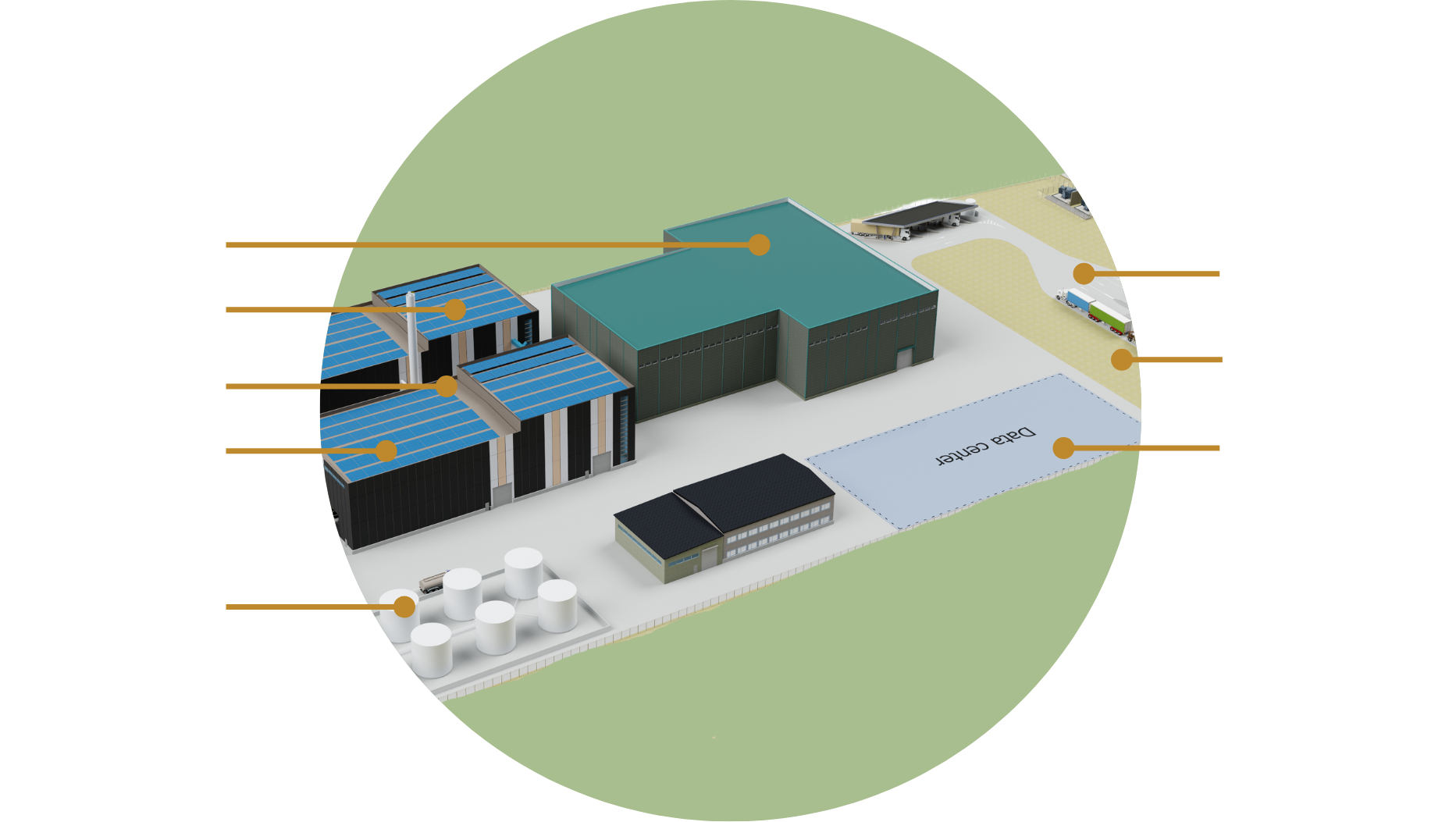
Today, fuels are produced remotely and needed locally. Why?
Local infrastructure
for Heavy Zero Emission Vehicles (ZEV) refuelling, at low cost, actions needed to facilitate higher acceptance of HZEV transport.
Hydrogen
from electrolysis consumes scarce land and water resources and requires complex transportation. For this reason, it is typically Grade B or C.
Transport
by long-haul road, rail, ship and air needs readily available low carbon fuel enablers to transition from fossil fuel use.
Live locally
minimising transport and infrastructure costs, enabling localised resources production.
Efficiently
with processes that minimise energy loss and maximise resources recovery.
Effectively
to lower use and investment risks with diverse sustainable revenues streams.
Hydrogen to X
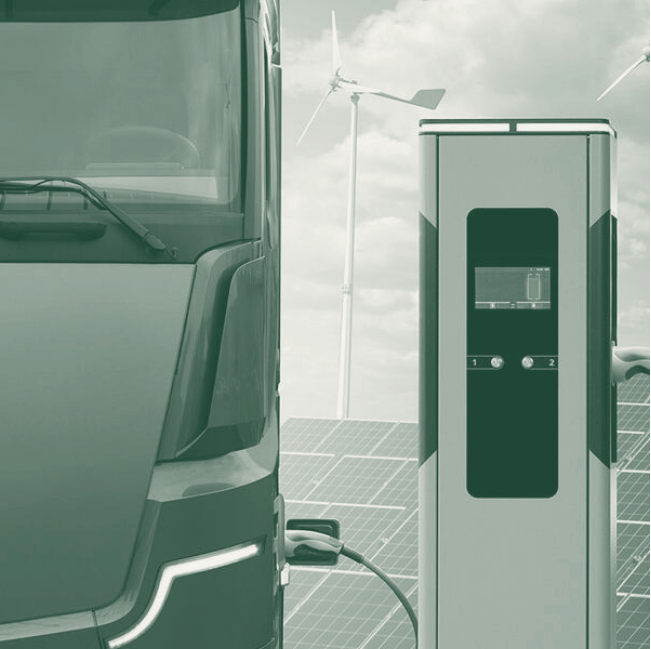
Sub.Zero mobility stations offer Sub.Zero hydrogen refuels and fast charge power recharges for all electric heavy vehicles, whether battery or fuel cell electric
Sub.Zero stationary power stations provide you with energy resilience and grid independence for your electricity power needs
Transport owners and refuellers are able to install Sub.Zero refuelling stations at their dedicated sites couple with long term Sub.Zero methanol supply agreements
Regional Sub.Zero station licences are available, at no upfront cost, enabling you to offer hydrogen and fast charge power to attract more customers

Today, waste is produced locally and treated remotely. Why?
Landfill waste
creates harmful greenhouse gas methane, consumes valuable land and underutilises resources.
Circular economy
solutions are needed to be actioned today for organic materials and waste regeneration.
Low carbon intensity
of the technology processes, regeneration outcomes and utilisation of existing infrastructure.
Regeneration
of organics as an enabler for low carbon fuels to decarbonise transport and energy.
Resources
are maintained at its highest possible values for the greatest possible time.
Environment protection
maximised with low emissions, no toxins, limited water and land usage and greenhouse gas reductions.