Sub.Zero low carbon products
Sub.Zero hydrogen
Climate positive hydrogen. The natural process of photosynthesis uses sunlight and carbon dioxide (CO2) to “crack” the strong hydrogen-oxygen bond in water and produce the oxygen we breathe. The “leftovers” are stored as hydrocarbons in plants, that in the end make up most of our non-recyclable waste. There is no natural source of hydrogen, with most hydrogen molecules essential in fossil fuel, water and organics.
We are an enabler for climate positive action today. With Boson Energy’s technology, hydrogen is produced using those photosynthesis chemistry principles, efficiently combining renewable power, upcycling waste from landfill, and recycling captured carbon to provide Grade A low carbon hydrogen. This process is known as Hydrogen capable Plasma Assisted Gasification (HPAG) that has been developed over the past 45+ years by Boson Energy SA. HPAG is available locally through Boson Australia Services, Boson's exclusive joint venture with Xseed in Australia and New Zealand.
The landfill waste and materials, transformed to a valuable resource, is sourced locally. We prioritise local, circular economic solutions for product off-take, reducing the emissions associated with transporting the hydrogen and other resources long distances.



What is Grade A hydrogen?
Hydrogen’s carbon intensity is measured utilising differing rules by various bodies.
Carbon negative. Grade A hydrogen
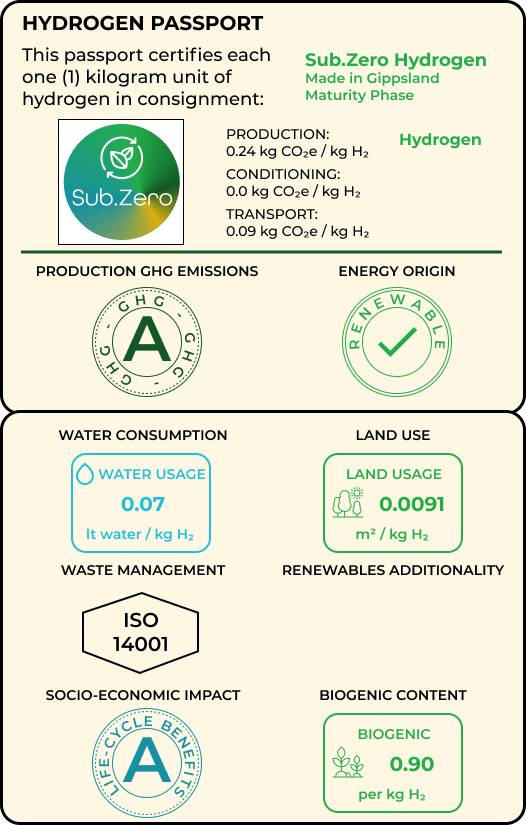
One important measure of hydrogen is that proposed by the International Energy Agency (IEA). The IEA assess the life cycle assessment of hydrogen from “Well to Gate”. That is, across the entire life cycle from sourcing, production, and transport with a hydrogen passport of credentials proposed.
Consistent with IEA’s approach Sub.Zero hydrogen is graded highest at Grade A, with around a negative 10.0 kg CO2e per kg hydrogen intensity. Carbon negative. That is, the hydrogen is considered climate positive as it reduces both waste and fuel emissions as part of the sourcing of waste feedstock and use.
Australia’s Guarantee of Origin Scheme
HPAG is considered an eligible hydrogen production pathway as part of Australia’s proposed Guarantee of Origin (GO) scheme.
The GO scheme measures the carbon intensity from “Gate to Gate”.
On this basis, in most cases Sub.Zero hydrogen’s carbon intensity is between 0.2 and 0.6 kg CO2e per kg of hydrogen.
Sub.Zero methanol
All carbon emissions produced by the HPAG process are captured. Typically, municipal solid waste streams are greater contain greater than 75% organic material, resulting in low carbon content carbon dioxide products.
Low carbon methanol is produced from combining the hydrogen and carbon dioxide. This can be used in a number of ways:
to efficiently transport the hydrogen to Sub.Zero hydrogen dispensing stations,
for ships as a replacement for heavy fuel oils, or
in producing Sustainable Aviation Fuels (SAF) in aircrafts.
Methanol as the preferred hydrogen carrier is simple, available now, easily stored, and transportable as a liquid. It has the highest efficiency and hydrogen to carbon ratio of liquid fuels combined with the lowest CO2e and $/MJ impacts.
Combined, this results in minimal truck movements to transport the hydrogen to nearby where it is to be used.
Illustratively, we estimate the hydrogen carbon intensity from distribution, or “Gate to Point”, at less than 1.8 kg CO2e per kg of hydrogen.
Methanol’s role in transport decarbonisation

Road transport via M Reformers
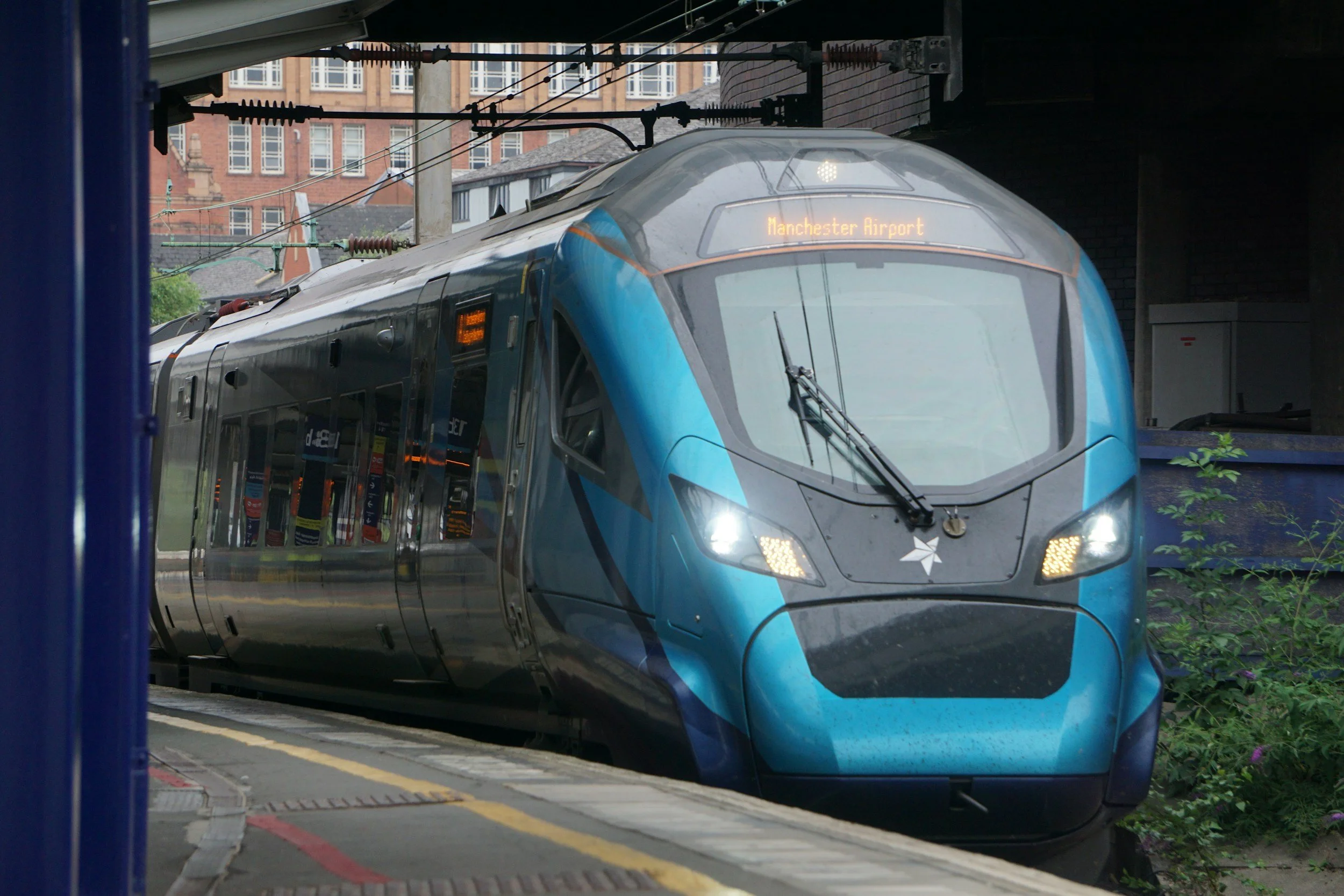
Rail transport via M Reformers

Sustainable Aviation Fuel (SAF)
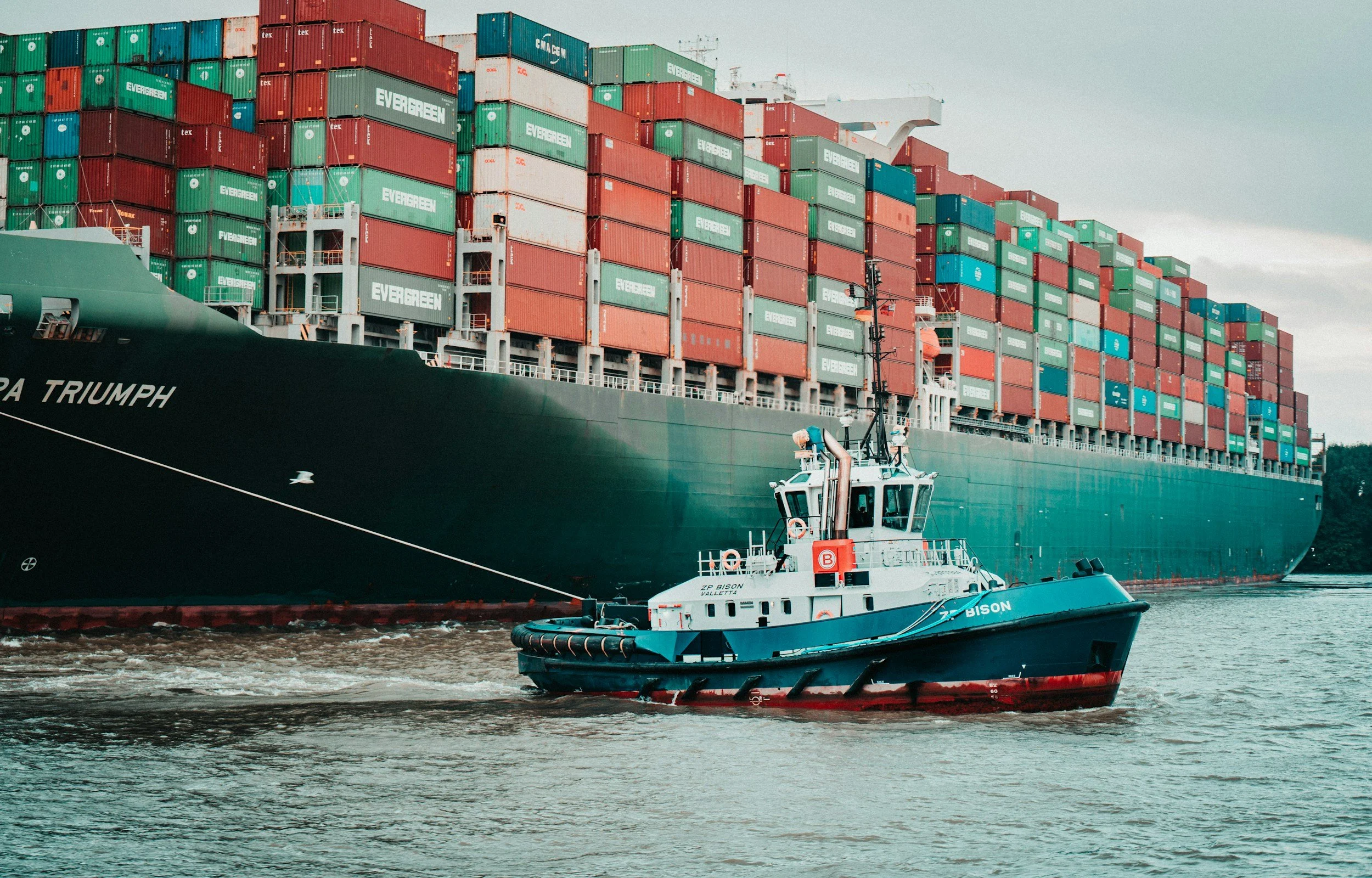
Shipping - M Reformers & direct
Sub.Zero Emission Attribute Certificates
The Australian Government’s Circular Economy Framework described Australia’s ambitions to (i) Add $26 billion to GDP each year; (ii) reduce GHG emissions by 14% by 2035 and (iii) divert 26 million tons of materials from landfill each year.
The upcycling of waste to fuels with carbon capture, as HPAG provides, delivers in to these ambitions yielding the highest circular economic use for otherwise non-recyclable waste. On average, the Life Cycle Assessment (LCA) savings from upcycling MSW into hydrogen for use in road transport reduces emissions by 30 to 33 kg CO2e per kg hydrogen (ie. 3 to 3.3 kg CO2e per kg waste).
This is the highest of all traditional recycling activities by a factor of 6 to 8 times.
Additionally, we envisage biodiversity advantages as compared to alternative technologies with the Precinct’s lower land use demands, reduced water stressors and use to produce hydrogen, and overall lower pollutants and GHG emissions.
As a result, Precinct’s are projecting to reduce eco-system GHG emissions by 90% to 96% as compared the baseline GHG emissions.
The GO scheme provides a creditable framework to measure and verify the carbon intensity of the hydrogen manufactured. That GO framework operates to measure the carbon intensity from the Precinct waste receival to production gate. Combined with other internationally verifiable standards to measure the carbon savings from avoided landfill and avoided fossil fuel use we are working to bundle this lifecycle of greenhouse gas savings together with other biodiversity and environmental benefits of the upcycling eco-system into a Sub.Zero Emissions Attribute Certificate (EAC).
The SBTI recently advocated EACs as a pathway for organisations to reduce its organisation’s emissions and as such we anticipate their demand to grow. Discussions to date have confirmed that the EAC would have enhanced monetary value than ACCUs and be measurable at the higher end of value of current EU ETC.
As an example, airlines could agree to purchase a supply of EACs as a pathway to reduce air travel emissions as an alternative to or complementary with a SAF strategy.

Micro-grid power & heat
Utilising renewable power in an efficient and effective way to locally produce and distribute a range of low carbon products (Sub.Zero) that will play a critical role in accelerating our climate transition towards net zero.
Low carbon and zero emission resources that are available to hard to abate sectors are essential.
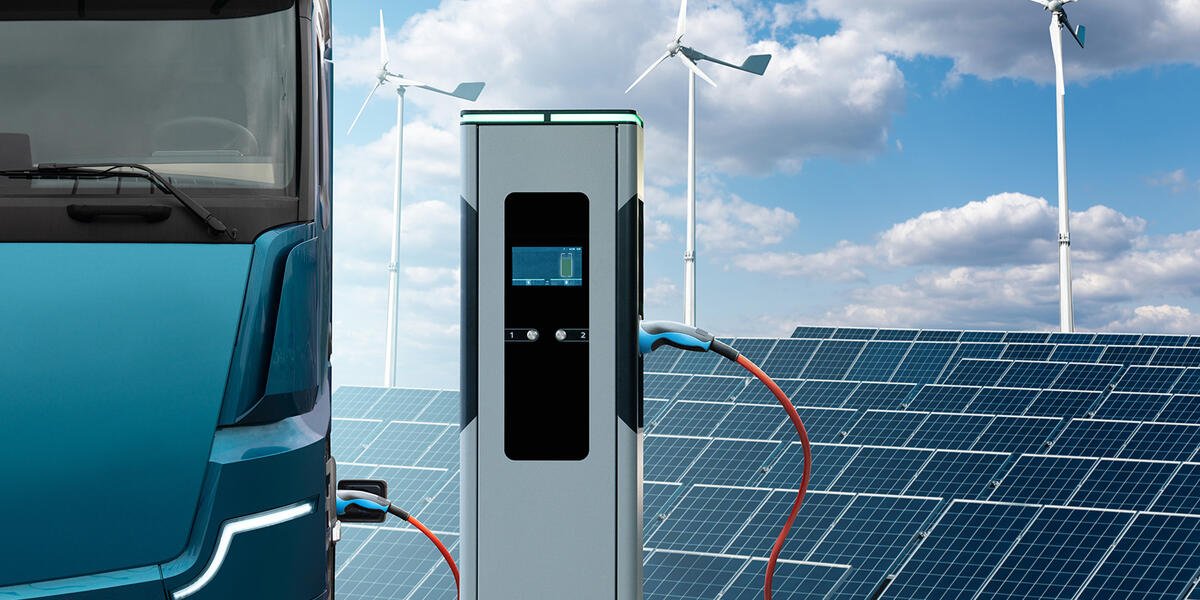
Grade A hydrogen and methanol that also doubles to provide locally sourced on demand grid power, micro-grid capacity, fast charging power to vehicles, AI edge data centres, remote homes and balance to the grid.
Utilising low carbon methanol, renewable power is capable to be stored and consumed when it is needed acts to destress the upgrades of our electricity infrastructure.
For AI data centres, the coupled use of methanol reformers and hydrogen fuel cells enables the replacement of traditional diesel generators to then meet long duration power storage, firming and back up power demands.
Precincts also generate a supply of heat that captured is capable to be used in a variety of ways. The most promising is the co-location of AI edge data centres at Precincts and to use the heat vs absorption chillers to provide supplementary cooling reducing water demands.

IMBYROCK®
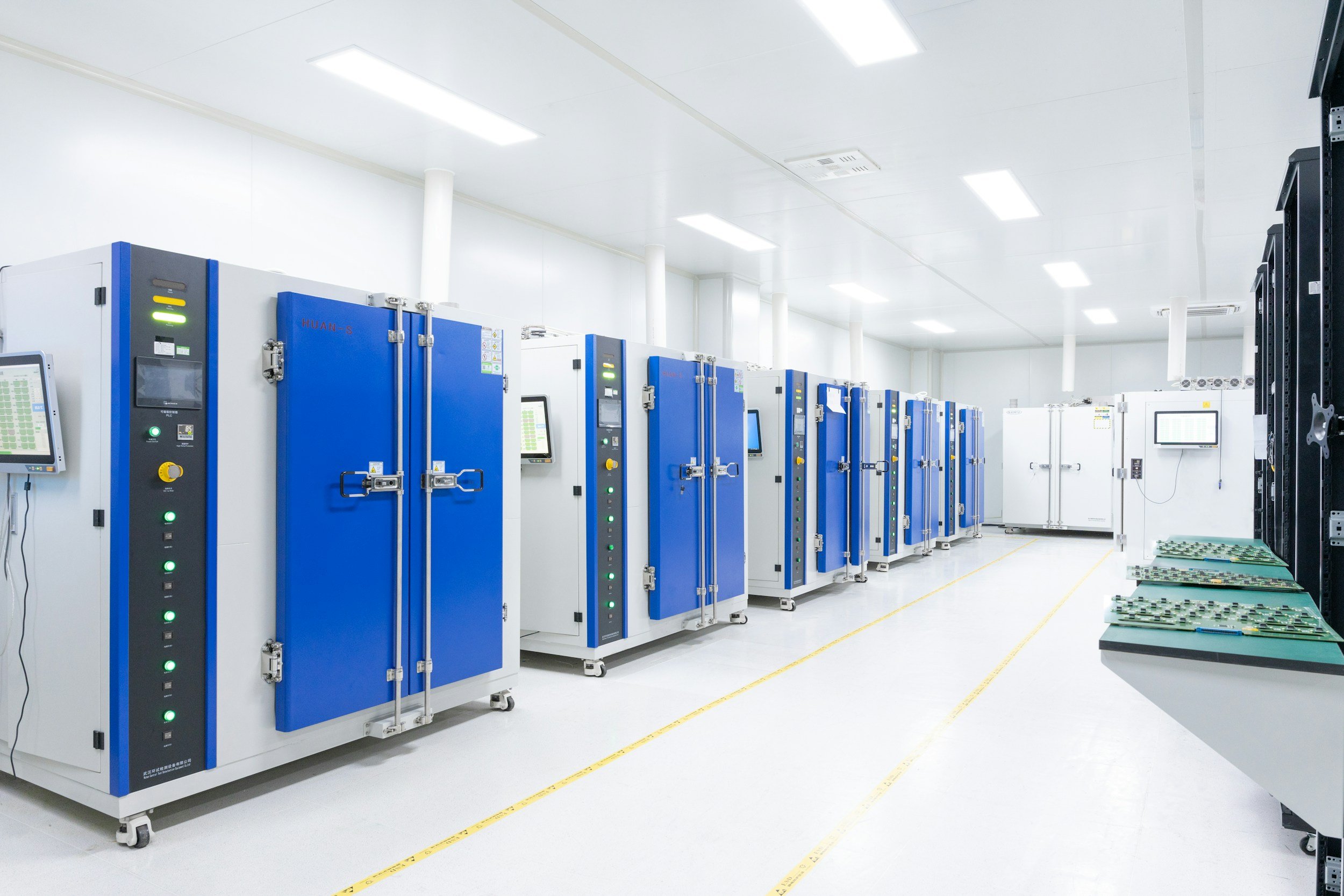
Closing the loop with IMBYROCK® is an important part of Boson Energy’s ‘no waste left behind’ technology. Solids are vitrified into IMBYROCK® construction material. This ready-to-use material represents some 1% to 3% of the volume and 10% of the weight of the waste feed and has been independently confirmed for environmentally friendly use as a construction substitute material.
HPAG delivers a distinct environmental advantage over conventional waste incineration that produces ash of between 25% to 30% of the original weight of the waste.
Boson Energy foresees further upcycling of the IMBYROCK® glass material into a wide range of higher value products.

